Water Decoloring Agent Dosage for Textile Wastewater
Practical guide to estimate and test water decoloring agent dosage for textile dyeing, printing and washing wastewater. This page helps overseas textile factories and distributors prepare useful inquiry data before requesting a sample.
Why dosage varies by wastewater
Textile wastewater is not stable. Dye type, production batch, salt, surfactant, pH and upstream treatment can all affect color removal. A factory using reactive dyes may need a different dosage from a printing wastewater plant or garment washing facility.
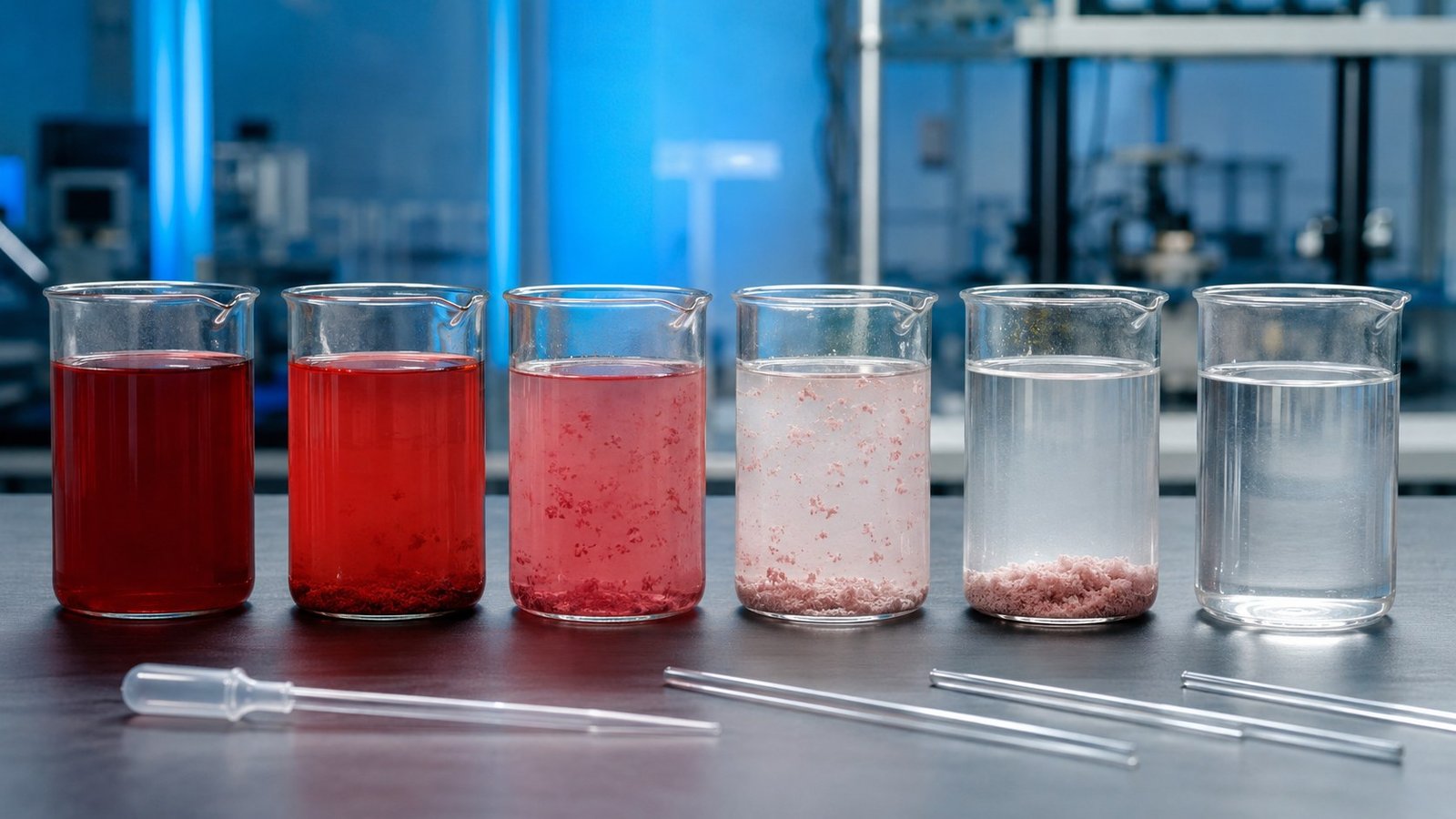
Darker wastewater usually requires higher dosage or combined coagulation.
pH affects polymer reaction and floc formation. Test several pH points when needed.
Combined use can reduce turbidity and improve settling after decolorization.
Recommended dosage evaluation process
| Step | Action | Purpose |
|---|---|---|
| 1 | Collect representative wastewater sample | Avoid testing only one abnormal batch. |
| 2 | Record pH, color, COD and treatment flow | Helps supplier judge chemical direction. |
| 3 | Dilute water decoloring agent for jar test | Improves dosing accuracy in laboratory test. |
| 4 | Test several dosage levels | Find the lowest dosage that meets color target. |
| 5 | Add PAC/PAM if settling is weak | Optimize total chemical cost and sludge condition. |
How to convert jar-test result to ppm
If 1 ml chemical solution is added into 200 ml wastewater, the dosage conversion depends on the chemical concentration and dilution ratio. For accurate quotation, send the jar-test formula and product concentration to the supplier.
Dosage FAQ
What is the typical dosage of water decoloring agent?
The dosage depends on wastewater color, dye type, pH, COD and treatment process. It should be confirmed by jar test, then converted to ppm or cost per ton wastewater.
Can dosage be decided without a wastewater sample?
Only a rough range can be discussed without sample data. For stable operation, a representative wastewater sample and jar test are recommended.
Does PAC or PAM change decoloring agent dosage?
Yes. PAC and PAM can improve coagulation and settling, so the combined dosage should be optimized together instead of adding each chemical independently.
Related technical pages
Need help selecting the dosage?
Send wastewater source, color, pH, COD, current treatment process and target discharge standard. We can suggest water decoloring agent, PAC and PAM testing direction.
Updated website visuals
Product sample, jar-test and decolorization visuals
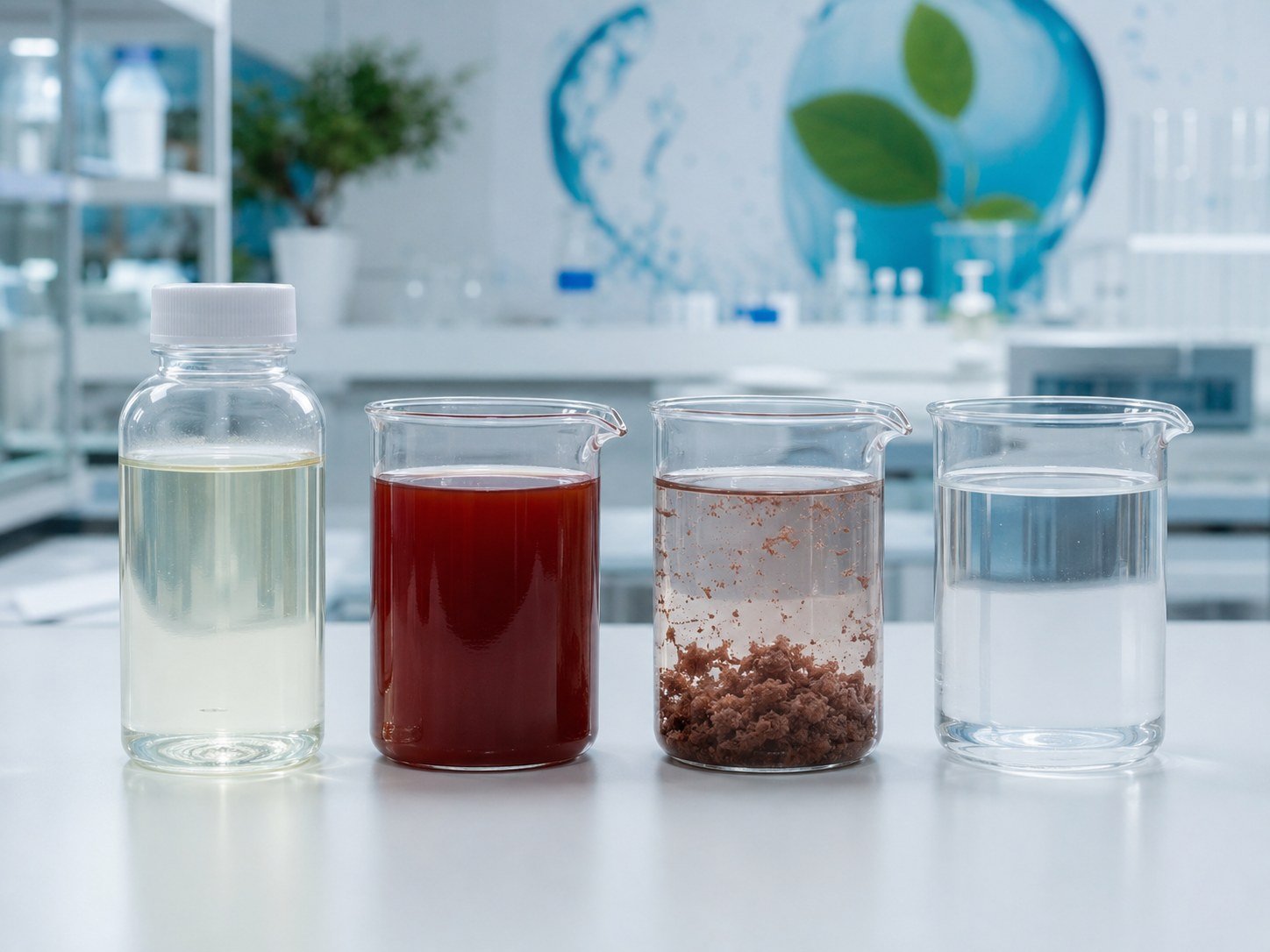
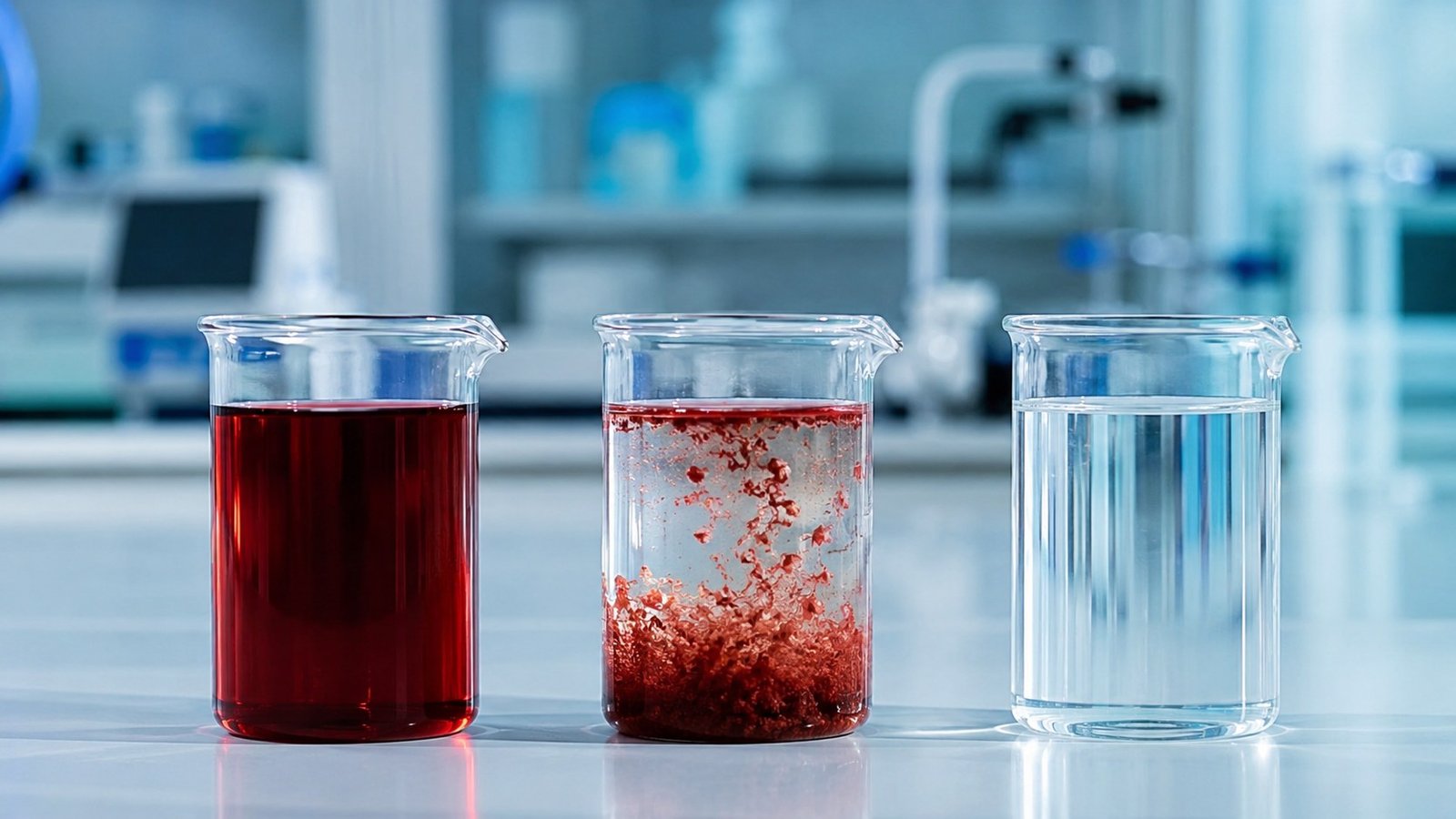
These visuals support the core product story: sample evaluation, visible color removal and jar-test based dosage confirmation.